I didn't pick up the Rubik's Cube as a hobby. I picked it up because I had to. Years ago, solving the cube was an assignment at university, and I went from being someone who could manage a single side to someone who had to learn a real method, properly, on a deadline. That's a strange way to fall in love with a puzzle, but it's exactly why I think cubing and academic work belong in the same conversation.
 Writing an essay or a research paper asks for more than words on a page.
It asks for
- attention 📌
- planning 🗺️
- evidence 🕵
- and slow revision 📝
And the thing that quietly decides whether all of that comes together is focus and the ability to hold one argument in your head while the phone buzzes, the tabs pile up, and a small voice asks whether any of it is good enough. I learned to manage that exact pressure not in a library, but in front of a scrambled cube.
What the cube actually trains💪
I'm not a speedcuber. I'm a collector and a methodical solver. I enjoy working out solutions for puzzles well beyond the classic 3x3. So when I say cubing builds focus, I don't mean the adrenaline of a sub-10 solve. I mean something slower and more useful for anyone who writes.
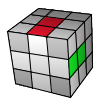
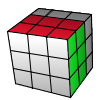
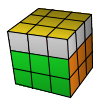
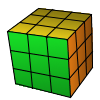
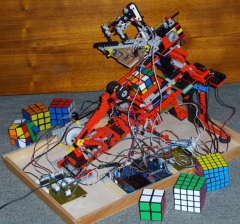 When I built a Rubik's Cube-solving robot for my diploma thesis back in 2009, it ran on a layer-by-layer method I worked out myself, and the whole solve took around 120 steps. Getting that right meant breaking an overwhelming problem into stages and trusting the sequence even when the finished cube was nowhere in sight. That is the single most transferable habit I know of. A blank document is overwhelming for the same reason a scrambled cube is: you can't solve the whole thing in one motion. You solve the cross, then the corners, then the last layer. You write the thesis, then the body, then the conclusion. Stage by stage, the chaos becomes manageable.
For this reason we launched writing competitions for cubers in two consecutive years.
And if a deadline is closing in faster than your focus can keep up, structured support exists too. A campus writing centre, a tutor, or services some students search for with phrases like write my paper for me when they want help understanding how an essay or research paper should come together. Those handle the logistics; the focus you build is what lets you use any of them well. The cube isn't a shortcut to either, it's the practice that makes the rest easier.
A few habits the cube reinforces, every single solve:
- Sustained attention across a long, multi-step task.
- Pattern recognition or spotting a familiar case and knowing the response.
- Patience when progress is slow and the next step isn't obvious.
- Catching and correcting your own errors before they compound.
One wrong turn on the cube and the pattern visibly breaks. That tight feedback loop teaches you to slow down and check a move before committing to it, which is precisely the temperament that revision demands.
Why solving and writing rhyme
On the surface, a color puzzle and a paper share nothing. But neither yields to brute force, and both fall apart without structure. I never solve a cube by twisting at random and hoping. I work in stages, recognize patterns, and repair small mistakes along the way. Moivng a piece of writing from a rough idea to something polished is the same process: it feels disorderly until a structure takes over.
| Aspect | Cubing | Academic Writing |
| 📝Planning | Choose a solving method before touching the cube. | Outline the argument before drafting. |
| 📆Working in stages | Solve layer by layer, never all at once. | Thesis, then body, then conclusion, in order. |
| 📊Pattern recognition | Spotting repeated cases and positions. | Finding themes, evidence, and gaps in the argument. |
| 🔧Error correction | Noticing a wrong move and repairing the solve. | Revising weak claims, grammar, or structure. |
| ✊Persistence | Keeping at it until the cube is solved. | Reworking the draft until the paper is clear. |
This is why I think cubing is genuinely useful for students, and not as a gimmick. It's a structured, low-stakes way to practice the one habit academic work runs on: breaking a daunting task into small, controlled steps.
How to actually use it
Writing discipline doesn't arrive overnight because it's built through repetition, the same way solving gets faster.
Cubing fits into that because it's a short, contained way to practice concentration before the real work starts. A few things that work:
- Do a solve or two before opening your document. Enough to settle in, not enough to become procrastination.
- Use a single solve as a reset between drafting and editing, instead of reaching for your phone.
- Learn one new algorithm at a time. The patience of drilling a single case mirrors the patience of fixing one stubborn paragraph.
- After a sloppy solve, notice where you rushed, then carry that same "where did I cut corners?" eye into your revision pass.
Keep the sessions short. The cube is a warm-up for your attention, not a replacement for the reading and writing itself.
Turning focus into better work
Better concentration shows up in practical ways. When you can hold attention for longer, you connect ideas more logically, read sources with intention instead of skimming and forgetting, and make fewer careless errors. You can keep your thesis in mind across every paragraph, which cuts repetition and wandering, especially valuable in longer assignments where it's easy to lose direction.
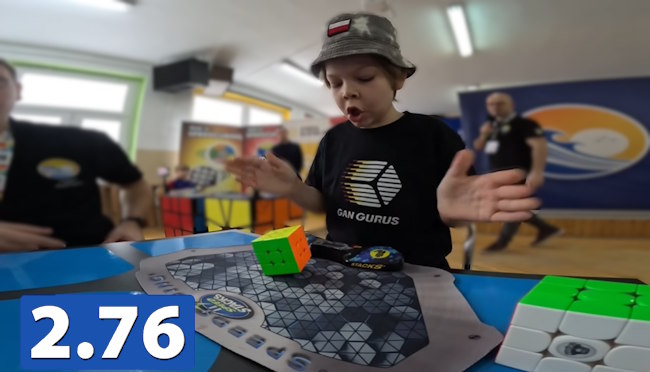
It matters most during revision. In my experience, most weak work isn't weak for lack of ideas. It's weak because the writer stopped too early. Focused writers reread, catch the unclear transition, check that the evidence actually supports the claim, and tidy the sentence flow. The patience the cube builds is exactly the patience that second and third pass requires.
Final thoughts
I once built a robot whose entire job was solving the cube, and even that took 120 steps and a method worked out in advance. A Rubik's Cube can't write your essay, what the cube can do is train the mind to observe carefully, plan before acting, and work a hard problem in small steps without giving up. Focus isn't a fixed talent you either have or don't. It's a skill, and the cube is an unusually satisfying place to practice it.